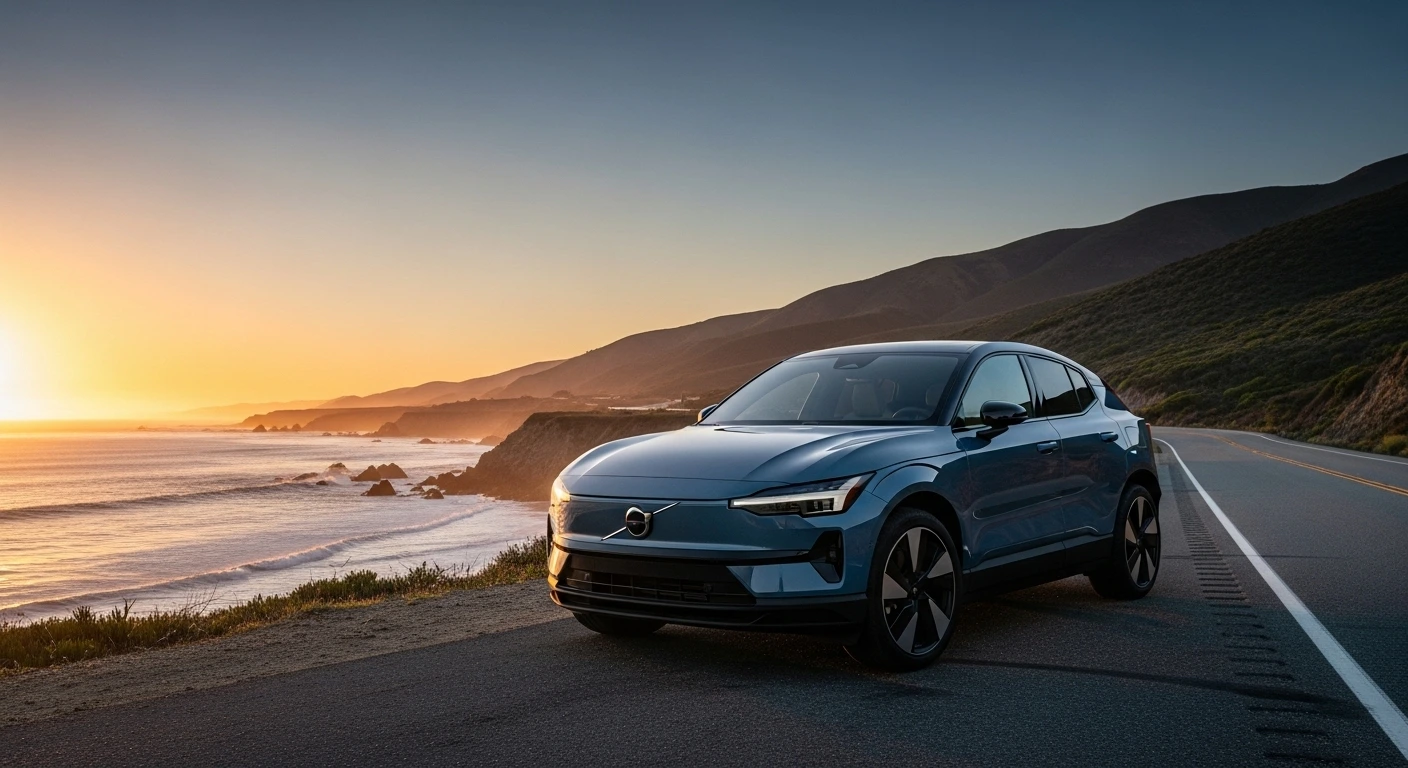
For U.S. electric vehicle buyers, the Volvo EX30 has long held promise as a compact, premium, and relatively affordable EV. But until now, only the dual-motor (AWD) version has been available in the U.S. That’s changing: Volvo has just confirmed the EX30 Single Motor version will join the U.S. lineup — though with a significantly higher entry price than originally promised.
This matters now because the tighter U.S. EV landscape demands every automaker deliver better value, longer range, and fewer compromises. In a market where compact SUVs and crossover EVs fight for space, the Single Motor EX30 could be a strategic tool: lowering costs, boosting efficiency, and diversifying Volvo’s offerings. If it nails the balance, it could attract buyers who otherwise saw Volvo as out of reach.
What Volvo Announced (and What’s Changed)
Volvo has confirmed the U.S. pricing for the EX30 Single Motor: it starts at $40,245, and comes only in the Plus equipment level as the base. That’s a sharp leap from earlier promises — the model was initially teased at about $36,145 but faced delays and shifting economics.
This new single-motor setup delivers 268 horsepower (200 kW), with an EPA-estimated 261 miles of range and a claimed 10–80% charge time of 28 minutes. By contrast, the existing twin-motor version offers 422 hp but slightly lower EPA range (253 miles) and real-world losses.
Interestingly, Volvo is also adding an EX30 Cross Country variant — rugged styling, raised ground clearance and AWD — but only in the dual-motor setup. That ensures the Single Motor version stays lean and focused.
Also take a look at this topic: Audi Drops the Four-Cylinder: 2026 A6 Becomes All-V6 in U.S
Specs Snapshot & Real-World Impact
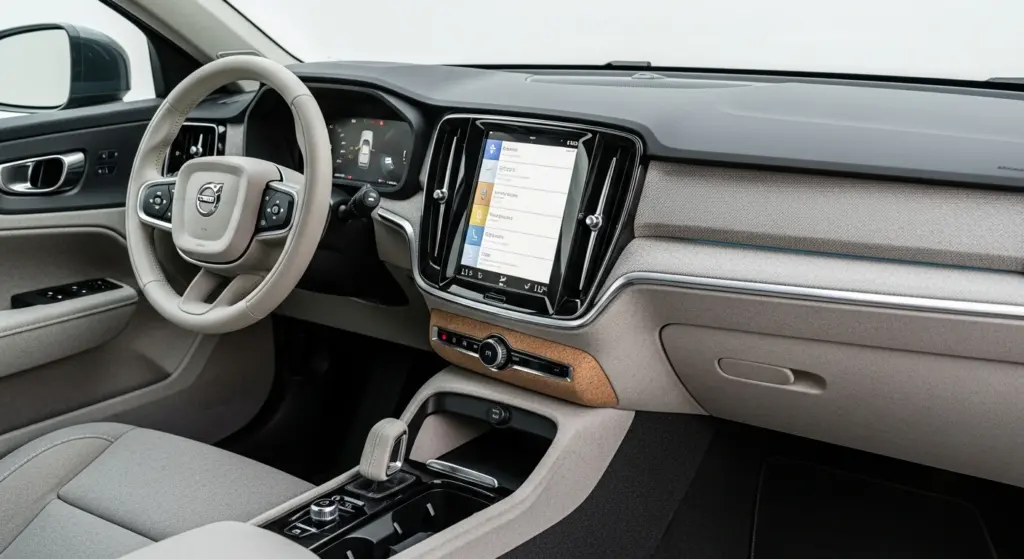
Here’s a breakdown of key specs and how they translate into daily driving:
| Feature | Single Motor EX30 | Real-Life Implication |
|---|---|---|
| Motor / Drivetrain | Single electric motor, rear-wheel drive | Simpler system, lower drivetrain losses |
| Power | 268 hp (200 kW) | Adequate for most driving, spirited merges |
| Torque | ~253 lb-ft | Good midrange response |
| Estimated Range | 261 miles (EPA) | Long enough for city commutes + highway runs |
| Charging (10–80%) | 28 minutes on DC fast charging | Moderate fast-charge performance |
| Acceleration (0-60 mph) | ~5.1 sec (per sources) | Quick enough for everyday driving |
| Top Speed | ~112 mph (same as twins) | Safe for highway travel |
| Efficiency | Very efficient due to RWD setup | Better energy use versus AWD twin |
| Price | $40,245 | Threshold between premium compact EV and more expensive rivals |
Real-life effects:
- On highway and mix routes, the single-motor variant should deliver smoother efficiency, especially in milder weather.
- For daily commutes, 261 miles is competitive — few need to charge mid-trip on many U.S. routes.
- Performance isn’t blistering like the twin-motor, but it’s balanced and usable in everyday conditions.
Comparison: Single vs. Dual & vs. Rivals
Against the EX30 Twin-Motor
The single-motor version trades AWD and extreme power for better efficiency, lower complexity, and a lower price. The twin-motor model still boasts 422 hp and blistering 0-60 times (~3.3–3.4 sec) but comes with more weight, lower range in real-world testing, and higher cost.
Compared to Rival EVs
Compact EVs like the Tesla Model Y (Standard Range) or Hyundai Kona Electric compete on range, brand recognition, and charging networks. The Single Motor EX30 must leverage Volvo’s safety reputation, Scandinavian design, and value per kilowatt-hour. Its pricing and range place it in a sweet spot — if buyers accept fewer sporty features.
Compared to 2025 EX30 Original
While the 2025 version offered single- and dual-motor options globally, the U.S. market initially only got the twin-motor variant. In many reviews, the single-motor version was praised for balance and efficiency. The 2026 launch corrects that gap, but at a price premium relative to early projections.
Challenges, Risks & What to Watch
- Higher entry price than anticipated: The $40,245 figure is noticeably above earlier projections, potentially limiting demand from cost-conscious buyers.
- Delayed U.S. launch & tariff issues: EX30 shipments were delayed earlier due to high Chinese EV tariffs. Volvo responded by reorienting production to Belgium.
- Range vs. real usage: EPA figures are one thing — highway conditions, temperature, and accessory use may reduce real-world miles. In dual-motor tests, range sometimes fell far short.
- Market positioning: To justify the premium, Volvo must effectively market the safety, design, and brand prestige of EX30 compared to more known EVs.
- Supply, incentives & tax credits: The single-motor EX30 is not eligible for full federal EV credits in all cases, complicating the cost equation for buyers.
Watch for: dealer inventory, early user reviews in U.S. cities, charging network feedback, real-world range reports, and whether Volvo introduces a lower-cost “Core” trim later.
Conclusion
The arrival of the Volvo EX30 Single Motor in the U.S. is a meaningful expansion of Volvo’s EV lineup — offering an efficient option without forcing buyers into full-blown performance variants. While the higher-than-expected pricing is a hurdle, the performance, design integrity, and range make it a serious contender in the compact EV space.
For urban drivers, second-car buyers, or EV enthusiasts who value design and brand, the Single Motor EX30 offers a compelling mid-tier choice. If your priorities include top-tier performance, AWD capability, or the lowest cost, the twin-motor version or rivals may still be attractive. But for many users, this variant might hit just the right balance.