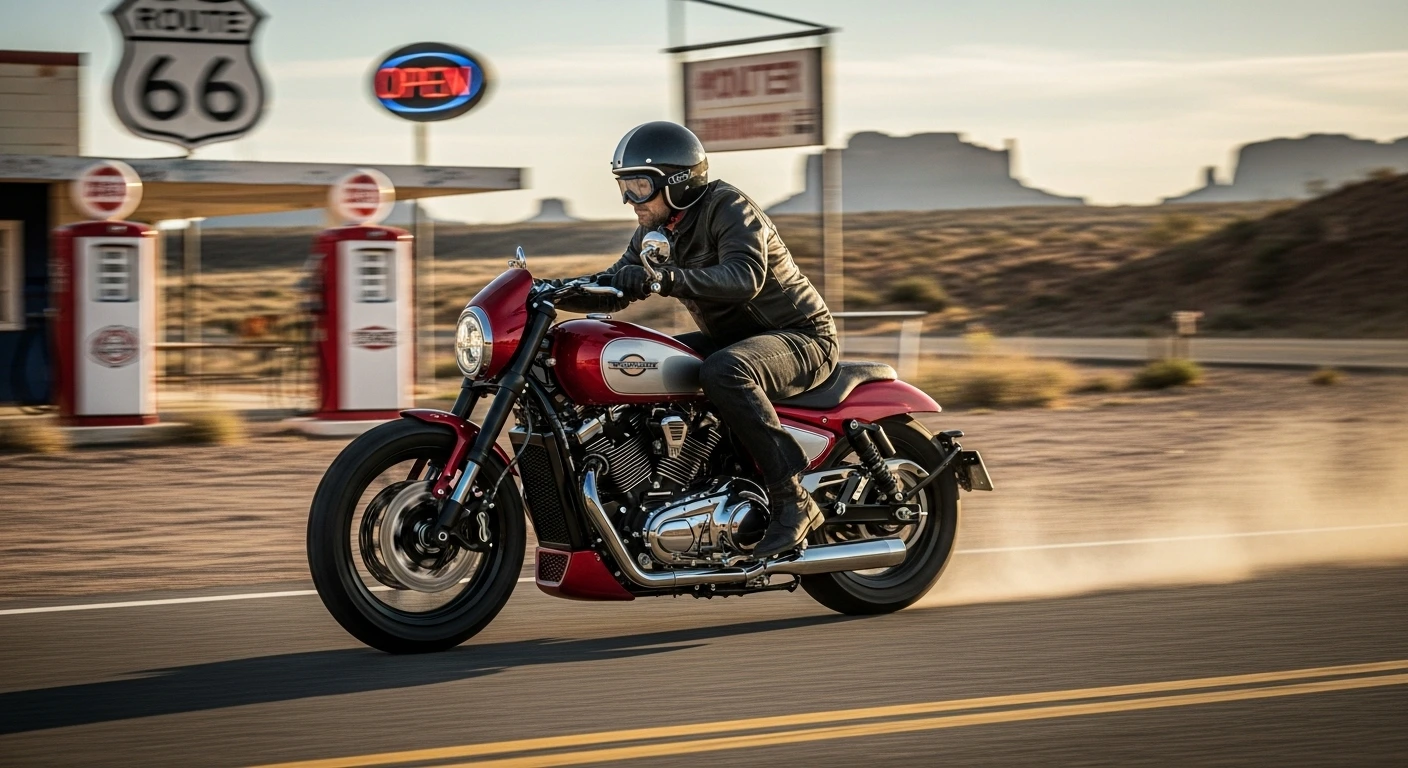
For decades, Harley-Davidson has stood as a symbol of premium American motorcycle culture — but its steep pricing made entry a barrier for many new riders. With headwinds in macroeconomics and shifting demographics, the brand is now making a surprise pivot with the 2026 Sprint, an affordable motorcycle targeted at younger and budget-conscious riders. This matters now because U.S. consumers are rethinking big-ticket purchases, and a sub-$6,000 Harley could be the spark that rejuvenates the brand’s growth.
Beyond pure nostalgia, the Sprint’s launch reflects deeper trends: increasing demand for low-displacement, efficient bikes; the necessity to capture new riders as older loyalists age out; and pressures on OEMs to diversify product portfolios in a volatile economic climate. If well executed, the Sprint might rewrite Harley’s narrative — from exclusivity to accessibility.
The $6K Sprint: What We Know So Far
Harley-Davidson officially confirmed a new entry-level model, called the Sprint, priced under $6,000, and slated for delivery in 2026. The Sun+4New Atlas+4Motorcycles.News+4 During the company’s earnings call, CEO Jochen Zeitz mentioned that the Sprint will be unveiled in fall 2025 to dealers, with U.S. availability expected by November 2026.
Unlike previous low-cost Harley projects, the Sprint reportedly isn’t a rehash of an existing platform. Sources say it’s built on a brand-new architecture rather than being derived from the X350/X440 lines. Motorcycles.News Speculation suggests Harley may outsource production to overseas partners — perhaps to Qianjiang (which already handles Harley’s X series) or another strategic partner — to hit the tight cost target.
Harley is positioning this as more than a price stunt: Zeitz described the bike as embodying “boldness, irreverence, and fun,” harkening to the heritage of the classic Aermacchi-derived Sprint models from the 1960s.
Also take a look at this topic: Moto Morini’s Calibro 700 Bagger Is America’s Next Affordable Touring Star
Rumored Specs & Plausible Setup
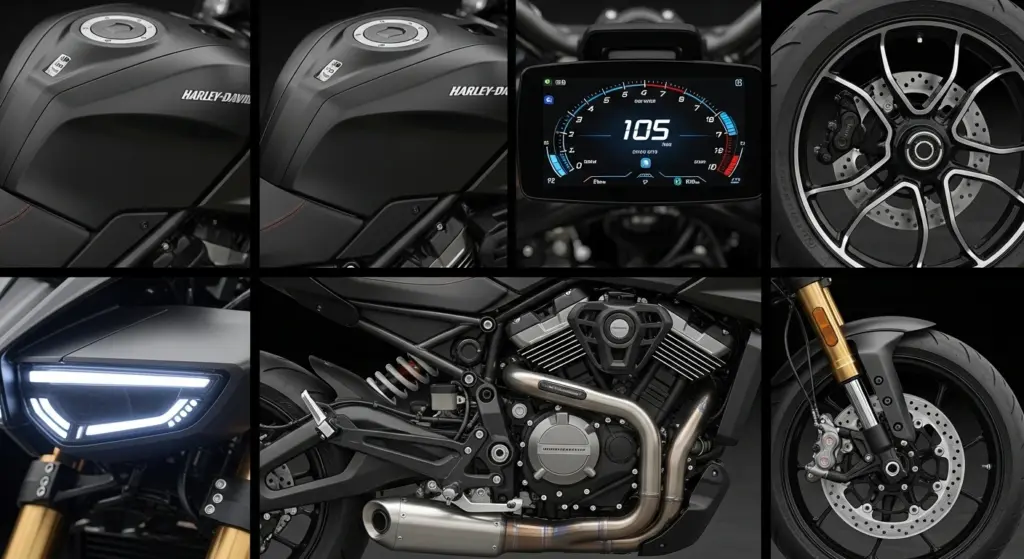
Because many official specs remain under wraps, here’s a speculative estimate based on industry chatter and competitive benchmarks:
| Specification | Rumored / Estimated Range | Notes / Likely Reality |
|---|---|---|
| Engine | ~300–500 cc single or parallel twin | To stay cost-effective and efficient |
| Peak Power | ~25–45 hp | Enough for urban riding and casual highways |
| Torque | ~18–30 lb-ft | Good low-end grunt for city use |
| Transmission | 5-speed (maybe 6) | Simple, robust gearing |
| Approx. Weight | 320–380 lbs (wet) | Light for easy handling |
| Seat Height | ~29–31 in | Reachable for many new riders |
| Fuel Capacity | 3.0–3.5 gallons | Balanced for daily use |
| Electronics | Minimal ABS, LED lighting, digital dash | No premium aids to cut cost |
Real-World Impact: At these spec levels, the Sprint is built for urban commuting or beginner touring rather than high-speed performance. It’ll likely handle freeway stretches, but shine in traffic and canyon roads. The low weight and modest power help with rider confidence and fuel efficiency. Of course, until official specs emerge, these remain educated guesses — but they match expectations for a $6,000 motorcycle.
How It Compares — Not Just Harleys
Versus Harley’s Own Line
Currently, the Nightster (2025) is Harley’s lowest-priced U.S. bike, starting at about $9,999. The Sun+1 The Sprint’s launch halves that entry point, dramatically lowering the access barrier. The challenge: avoid cannibalizing interest from mid-level models (like the Sportster S or Pan America), while ensuring Sprint owners stay in the Harley ecosystem for upgrades.
Against Rival Entry Bikes
Harley is stepping into a crowded but growing segment. Competitors like the Yamaha MT-03, Honda CB300R / CB500 series, and Royal Enfield’s 350/650 range already have traction among new U.S. riders. Triumph’s 400 series (in international markets) also looms as aspirational. The Sprint must deliver not only brand prestige but usability, reliability, and dealer support at a tight margin.
Unlike many rivals that emphasize pure performance or track capability, Harley may lean into brand experience — ride culture, styling cues, customization — to justify its premium over bare-bones rivals.
Risks, Challenges & What to Watch
Margin Pressure & Dealer Buy-In
To reach a $6,000 sticker, margins will be slim. Dealerships will need incentives, streamlined servicing, and parts support. If dealers view Sprint as a “loss leader,” they may under-promote it.
Production & Tariff Headwinds
Harley recently pulled its full-year forecast due to global tariff uncertainty, hinting at a fragile cost structure. New York Post Importing or offshore production subjects the Sprint to exchange rates, supply-chain volatility, component tariffs, and logistics risks.
Also take a look at this topic: CBR500R Four 2026 Launch: The Next Big Wave in Midweight Sportbikes
Brand Perception Risks
Hard-core Harley loyalists may resist a “cheap” model under their brand umbrella. The company must maintain brand identity — styling, exhaust note, ride feel — even on a lower budget platform, so as not to dilute brand equity.
Spec Transparency & Early Reviews
Enthusiasts and reviewers will scrutinize every spec leak, ride impression, and reveal. Any mismatch between hype and reality (e.g. underpowered, plasticky feel) could harm perception before launch.
Signals to Monitor:
- Trademark filings related to “Sprint” or model variants
- EICMA or CES reveals fall 2025
- Dealer previews or test fleets
- Leaked internal memos or supplier sourcing announcements
Who Should Watch It (…and Who Should Wait)
If you’re a rider who’s curious about joining the Harley family but balked at $10,000+ street bikes, the Sprint might finally offer a relatable entry. Urban commuters, weekend cruisers, or casual riders may find it compelling. If you’re a seasoned rider, you may see it as a fun second bike or daily-use companion.
However, performance seekers and long-distance tourers may find it underwhelming compared to larger Harleys. Also, early adopters must be tolerant of possible compromises — parts supply, support, and dealer enthusiasm.